

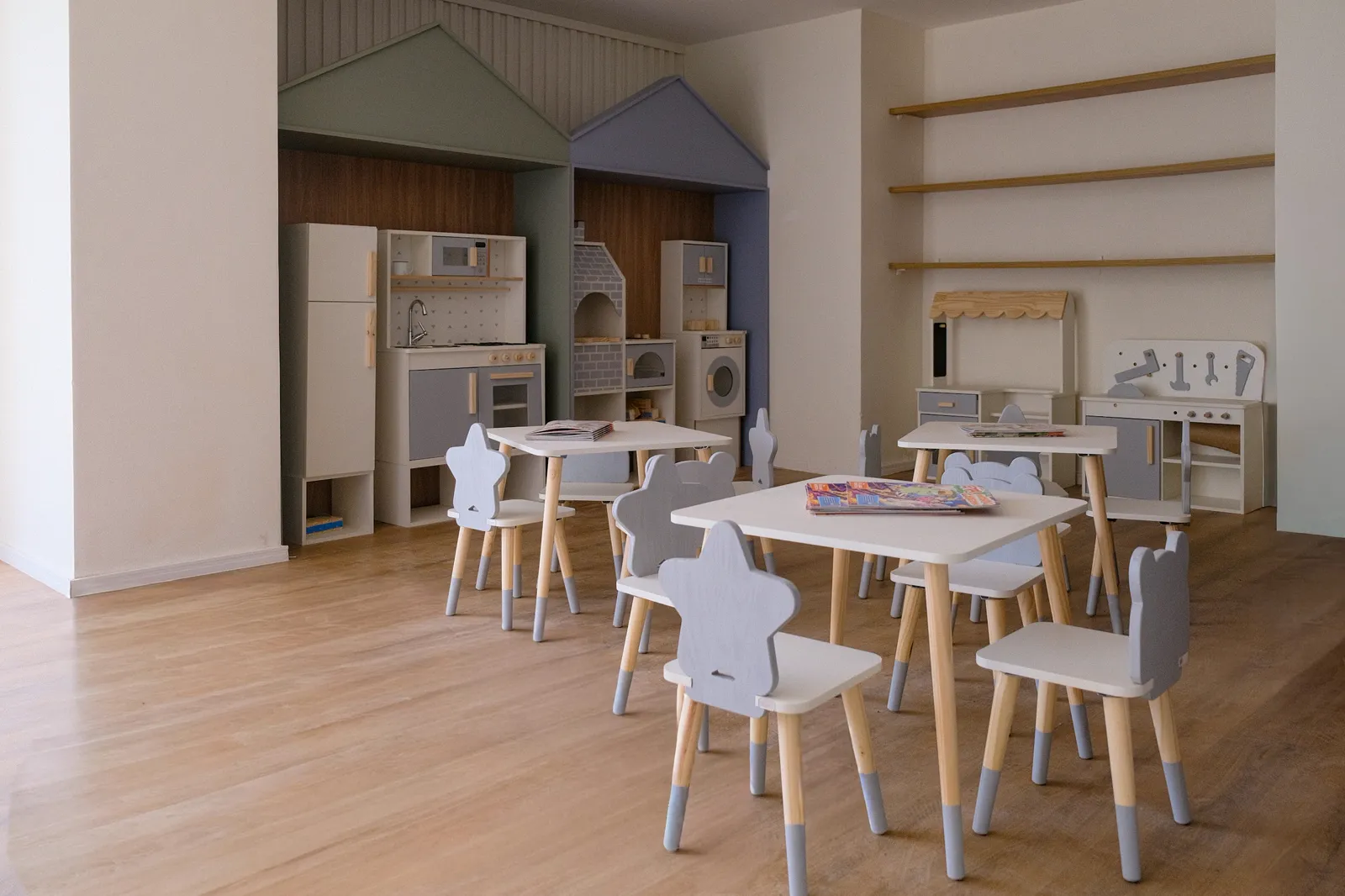
Photo by Camila Mofsovich on Unsplash.
A preschool teacher in Ecuador told me this story. She’d rather not give her name, so I changed a few details to keep everyone unrecognizable, and I’m sharing it with her permission. It isn’t an accusation against anyone. It’s what she went through and what she learned, in her own words.
What happened
We were three weeks into the school year. We’d done the diagnostic test and were in the review period. During those weeks there’s no homework. In class we go over what each child got wrong on the test.
One day I found out some parents had gone to the principal to say I wasn’t doing anything. Three weeks in. That hurt, but what came next hurt more.
A mother told the principal I had yelled at her daughter and punished her. She also said I hit her, and the other kids too. She went straight to the principal without talking to me first.
The principal told me she believed me, that she didn’t see me doing anything like that. Some parents told me the same. It helped. But nobody brought everyone together to clear it up. The complaint just hung in the air.
That day I went home crying. I almost quit. I hadn’t even started real lessons with the group and I already had a complaint over something I know I didn’t do.
What I hoped for, and what didn’t happen
What I wanted was simple. Call those parents in with me, with the child there, and talk through what happened. That’s the fastest way to clear things up so nobody is left wondering.
Today I understand that mother better than I did then. If your child comes home saying the teacher hit them, of course you get scared and go to the principal. And the school has to take it seriously. What hurt was that nobody listened to me too.
For a week and a half I couldn’t sleep or eat properly. I’d go to school and smile, then come home and say nothing. I weighed every word I said to the kids.
The meeting with the parents
Around then we had to switch to online classes for a few weeks. On the last day, a Friday, I couldn’t take it anymore. I asked the kids to log off and stayed on with the parents. A few kids stayed and listened anyway.
I told them I needed to talk about something delicate. I knew some families had gone to the principal saying I yelled, punished the kids and didn’t give homework. And it had hurt me a lot.
I reminded them I’ve been at that school for years. Some of those parents had older kids in my class before and knew how I work. I asked them that, if a child ever says something like this, they come and talk with the teacher and the child together.
I ended up crying in front of everyone. I hadn’t planned that. But I got it off my chest, and I did it respectfully, without pointing at anyone.
How they responded
Most of them asked me to calm down. They said that in the short time they’d known me, they’d seen me treat the kids well and that I had their support. One mother told me her older son had been in my class and did really well.
A few gave me suggestions to improve my lessons. They meant well and I took them. That afternoon I felt supported for the first time in weeks.
What I learned
I wasn’t the same after that. I’m more careful with every word. I don’t punish. My way is talking with the kids and reaching agreements, and that’s still how I teach.
At first I wanted to confront that mother face to face. I was furious. In the end I chose to speak to the whole group without naming anyone. I didn’t go to anyone else. I wanted to handle it myself, and today I think something was missing.
I had no records. Around that time my files had been wiped and I kept nothing from the meeting. If anyone had asked me to show what I’d discussed with the families, I’d have had nothing.
If this is happening to you
Almost nobody looks after teachers’ mental health. We’re often the first to take the hit. So here’s what I’d do today.
- Breathe before you answer. Go over what happened from start to finish and write it down that same day, with the date and time.
- Ask in writing for a meeting with the principal, the parents and you. If they say no, keep their answer.
- Keep a log. Write down what you talk about with each family and anything unusual with a child.
- Back up your files somewhere other than the school computer. I lost everything right when I needed it most.
- Find support. A colleague you trust, your family, someone who’ll listen. Don’t carry it alone like I did.
Bad weeks happen, and so do moments that give you your energy back. Keep doing your job the right way. With your records up to date, you’ll be able to explain what happened.
What the law says in Ecuador
I, Adrián, looked this part up in the law currently in force. It’s the Codified Organic Law of Intercultural Education, published in the Official Register on November 22, 2024. I checked it on November 7, 2026. I’m not a lawyer, so take it as a starting point. If you teach in another country, look up your own education law. Most have something similar.
- At a public school, article 17, item d, gives teachers the right to due process in any procedure that decides their rights or duties.
- At a private school, article 95, item e, requires the school to guarantee due process before sanctioning a teacher.
- Either way, article 206 says the right to a defense is guaranteed in every disciplinary procedure.
- Parents have duties too. Article 20 asks them to respond when teachers and staff call on them, and to respect the school’s rules.
- If the complaint becomes a formal case, it goes to the District Conflict Resolution Board, under articles 127 and 128.
Put simply, the complaint gets looked into and you get heard. Both at once. If you get something in writing, ask for a copy of the complaint and answer in writing too.
Questions people have asked me
Is it a good idea to talk to all the parents at once? It helped me get things off my chest and see that most of them were on my side. But do it calmly and without naming anyone. If you’re very angry, wait a day.
What do I write in the log? The date, who you talked to, what was said and what you agreed. If something happens with a child, what you saw and what you did. A few lines are enough.
What if the principal has already taken sides? Ask in writing to be heard and keep a copy of everything. You have the right to defend yourself before any sanction. If it keeps going, talk to a lawyer or your teachers’ union.
Comments
Write a comment